
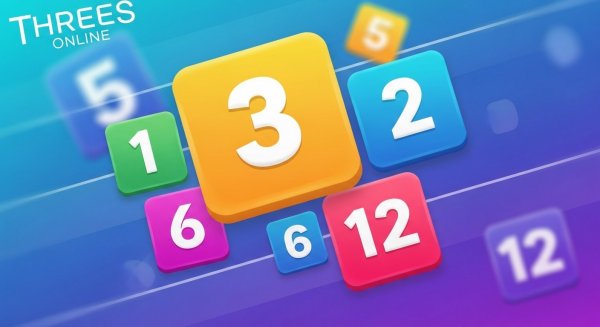
Number Merge Logic Challenge
Runs in your browser — no download.
Reviews
Number Merge Logic Challenge stands out with its distinctive merging mechanic. The rule that only a 1 and 2 combine to make a 3 forces players to think differently than in typical number games. The clean interface and lack of timers make it accessible, while the random tile placement ensures no two games feel the same. It is a satisfying brain workout that improves pattern recognition and planning skills. Perfect for puzzle fans seeking a thoughtful, relaxing challenge.
Description
Core Mechanics and Rules
Number Merge Logic Challenge presents a clean grid where tiles numbered 1, 2, and 3 appear. The central rule is that only a 1 and a 2 can combine to form a 3. After that, any two identical tiles merge into a single tile with double the value. This creates a layered decision-making process where each move must consider both immediate gains and long-term board arrangement. Tiles only merge once per turn, so sequencing matters. The system rewards players who think several steps ahead, much like a chess match against the board itself.
Strategic Depth and Planning
Success in this puzzle depends on maintaining an orderly grid. Keeping the highest-value tile in a corner allows you to build outward in a controlled manner. Low-value tiles can quickly clutter the board, so efficient merging is essential. Each move introduces a new tile in a random empty cell, adding an element of unpredictability. Players must adapt their strategy on the fly, balancing the need to clear space with the goal of creating larger numbers. The game ends when no moves remain, making every decision count.
Visual Design and User Experience
The interface is minimal and distraction-free, with clearly numbered tiles on a plain grid. This design choice lets players focus entirely on the logic and numbers. Controls are intuitive: arrow keys on a keyboard or swipe gestures on a touchscreen. There are no timers or pressure, allowing for relaxed sessions or intense concentration. The clean aesthetic makes it suitable for all ages and environments, from a quick break at work to a longer play session at home.
Progression and Replay Value
Because tile placement is randomized, each game presents a unique challenge. There is no set endpoint; the goal is to maximize your score by merging tiles efficiently. This creates endless replayability as you try to beat your personal best. The scoring system adds value with each successful merge, providing immediate feedback on your choices. Over time, players develop a sense of pattern recognition and strategic intuition, making each attempt a learning experience.





03 Comments
Sign in to comment
You must be logged in before posting a review or rating.
No account? Create one
No comments yet. Be the first to comment!